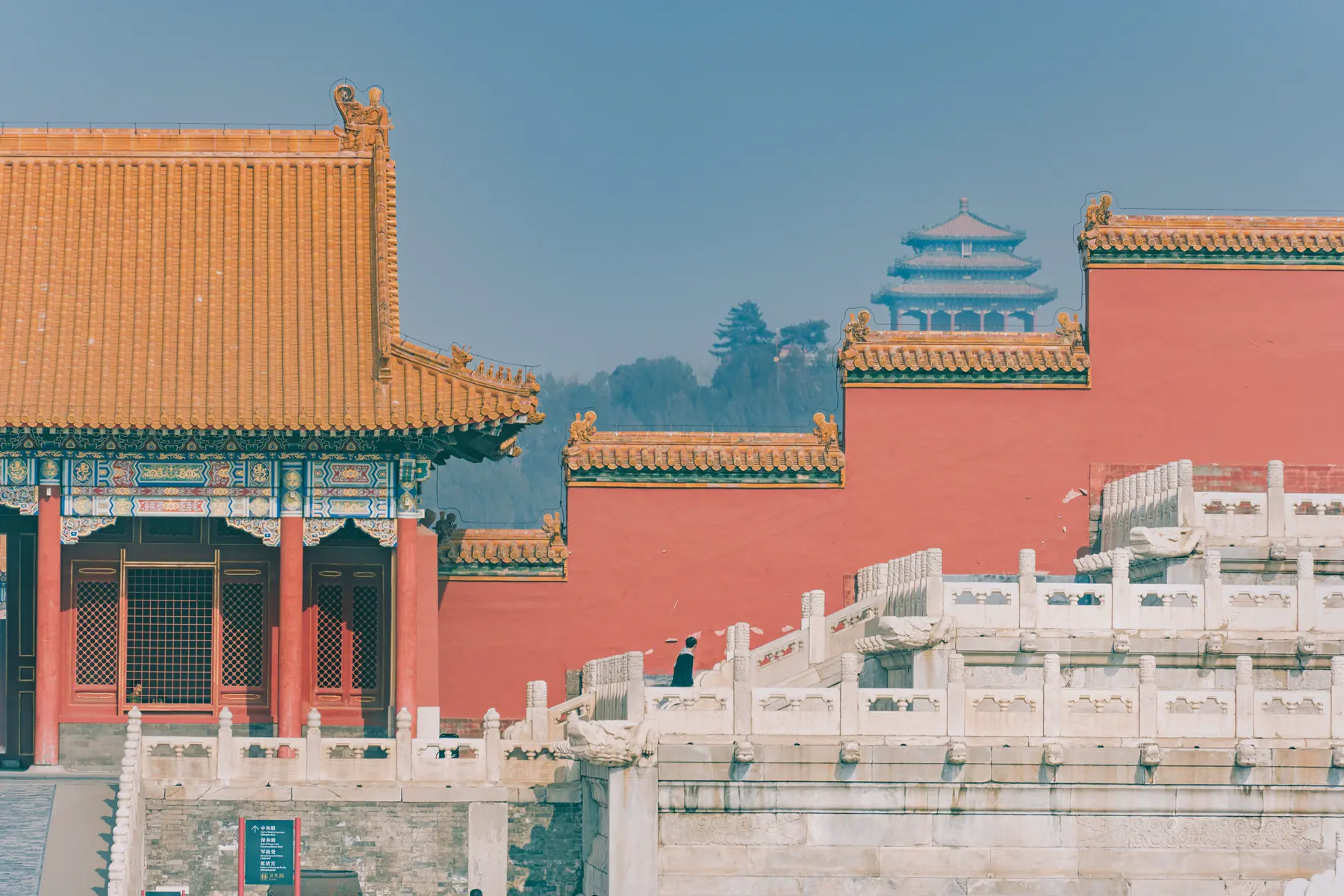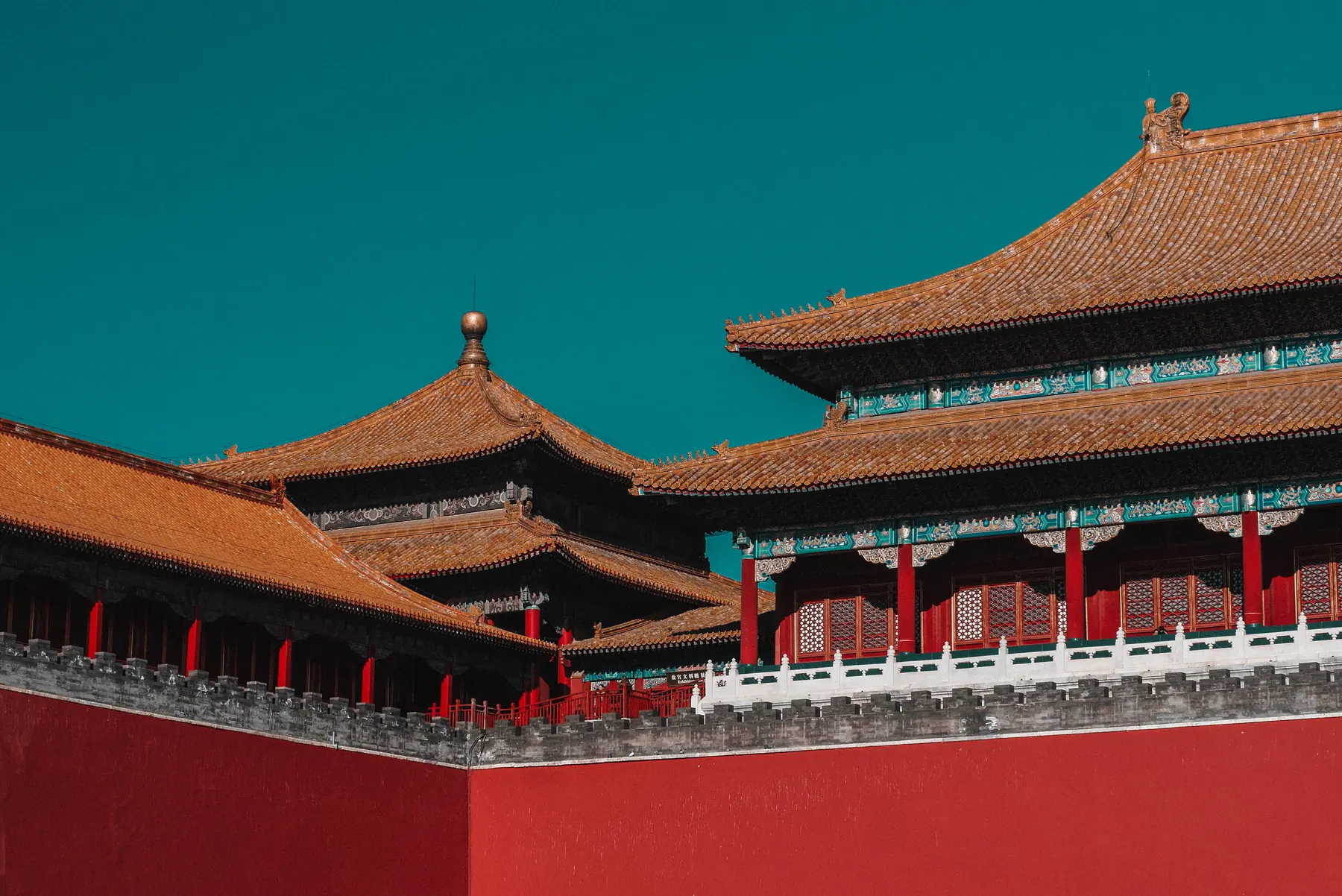
01 / IMPERIAL
The city holds its breath.
Power follows an axis.
Beijing moves around it.
01 / CENTRAL AXIS
Beijing begins with a line. Gates, halls and courtyards repeat one direction until distance feels ceremonial.
Scale is experienced by sequence: cross a threshold, enter a court, look farther.
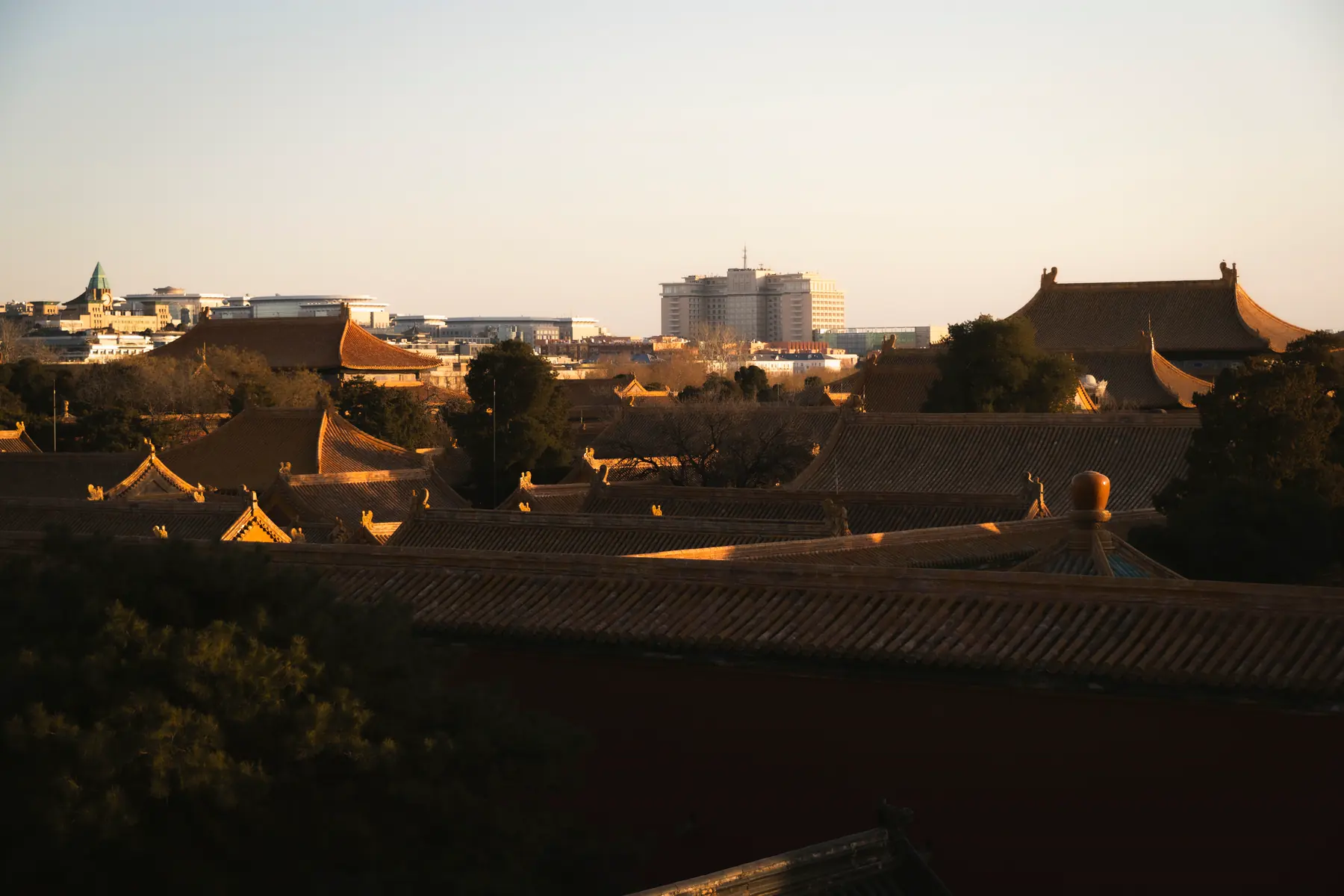
ONE LINE / THREE REGISTERS
01 / IMPERIAL
02 / BESIDE THE PLAN
Doorways become seats. A bicycle waits between errands. A conversation can hold a whole afternoon.
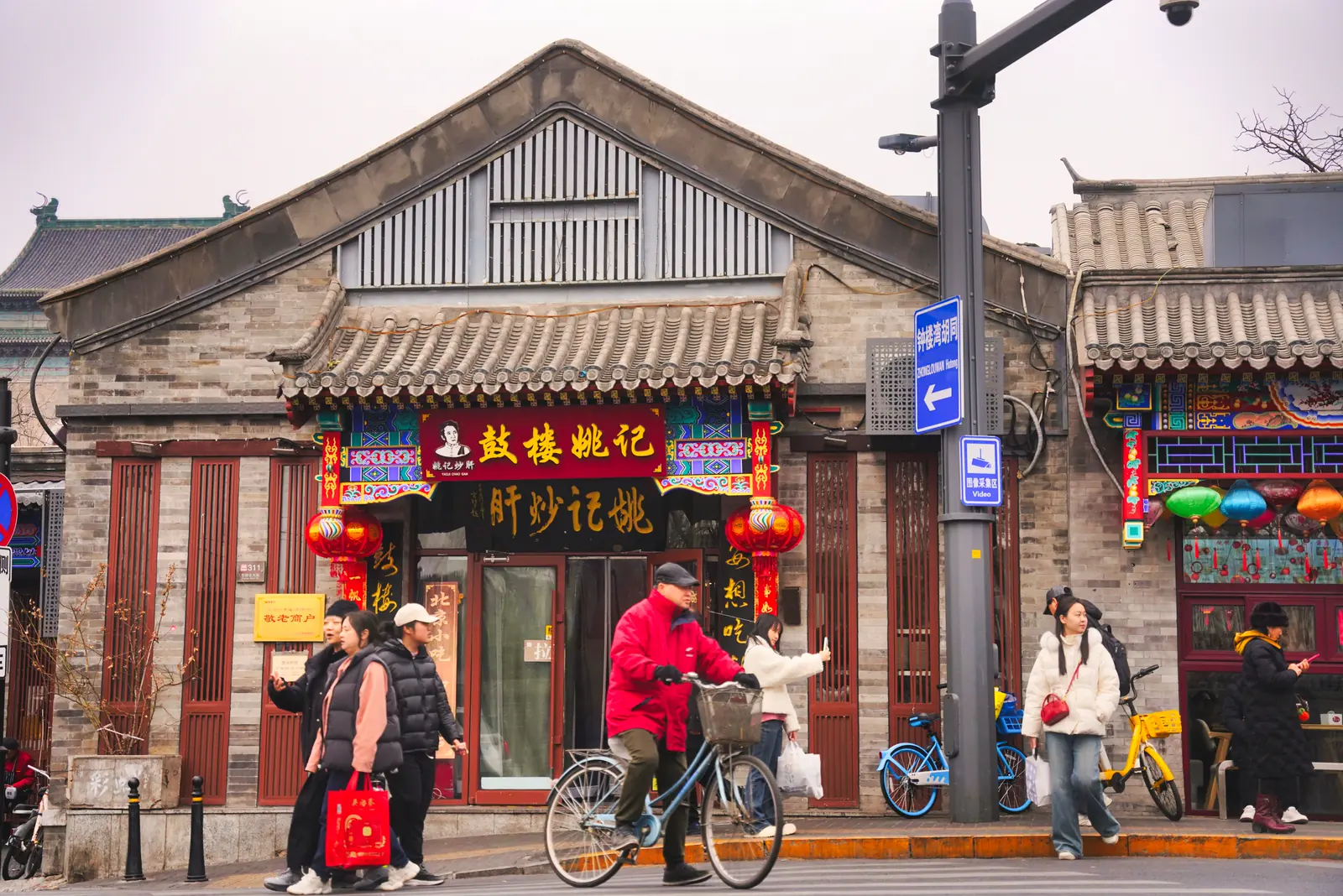
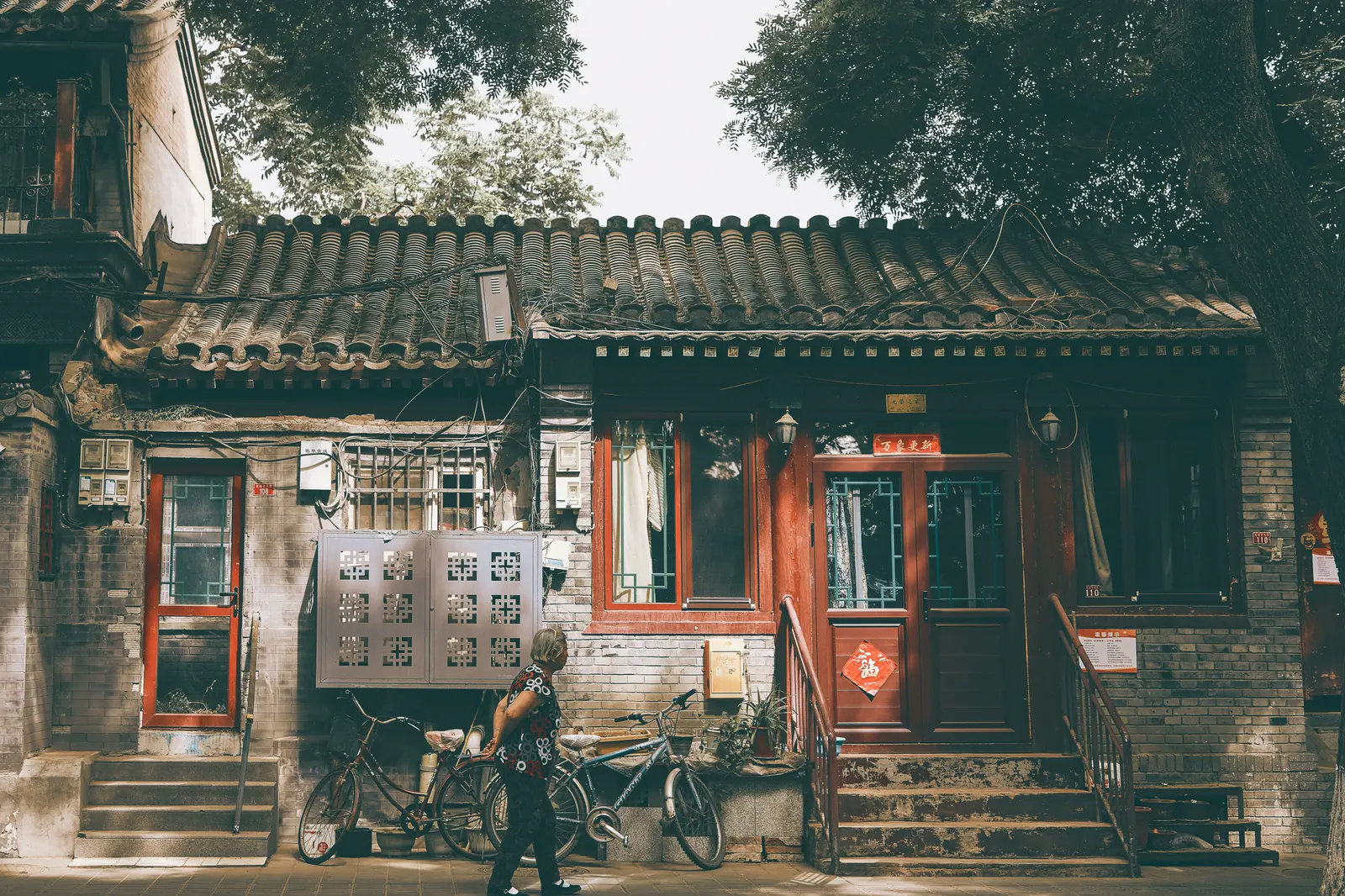
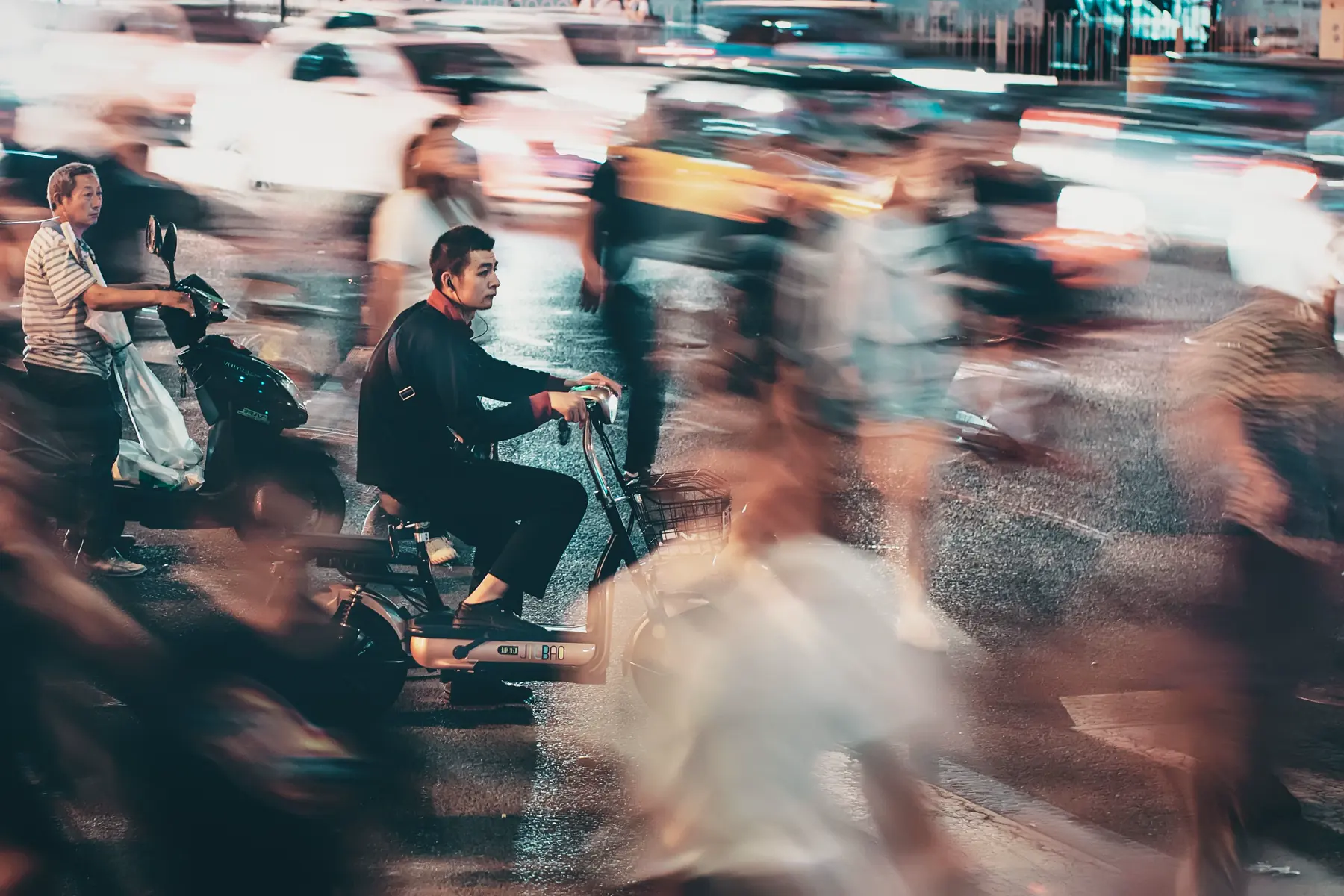
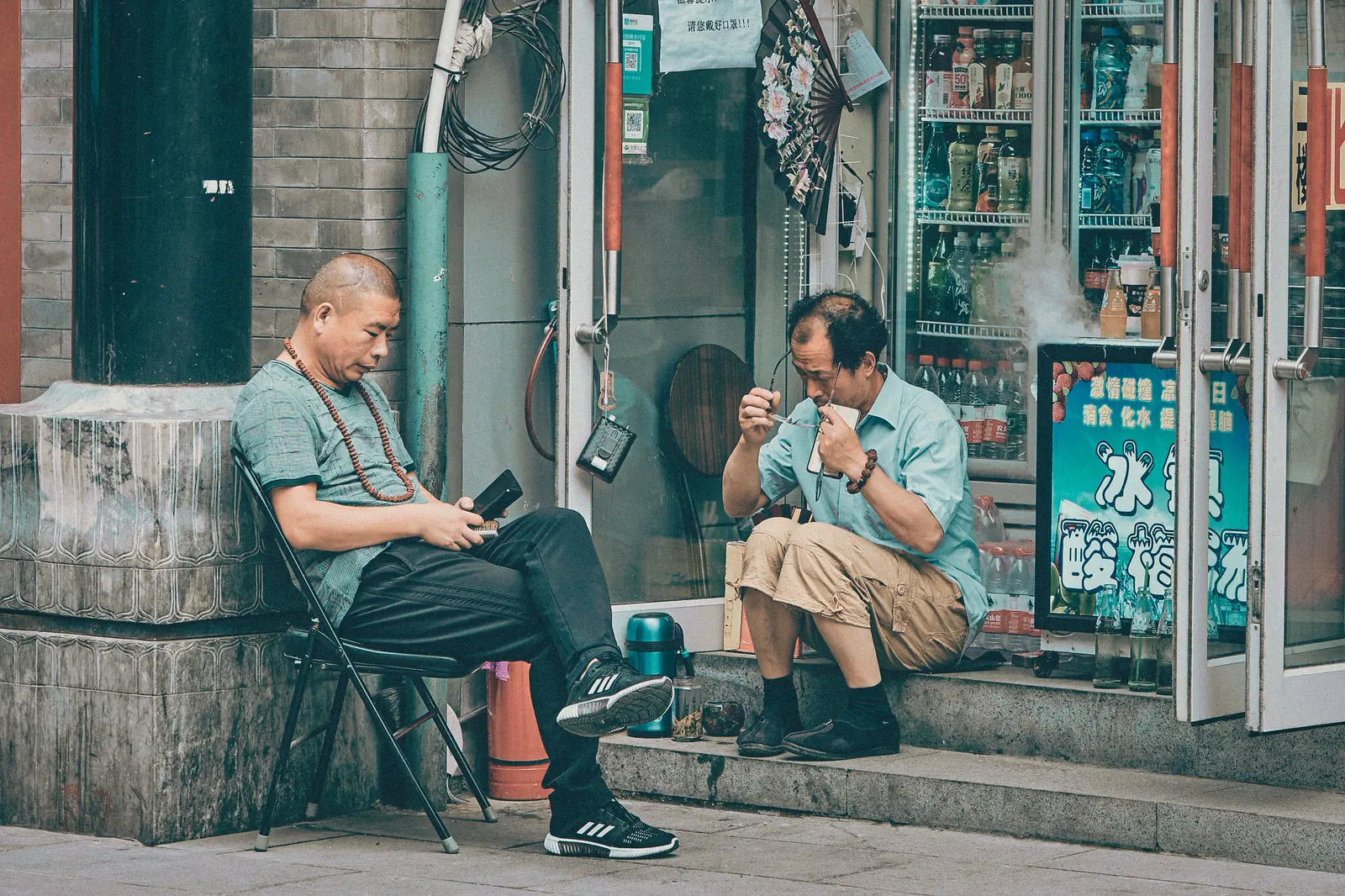
The city’s most durable rooms have no doors: a step, a shopfront, the shade beneath a tree.
03 / STREET HEAT
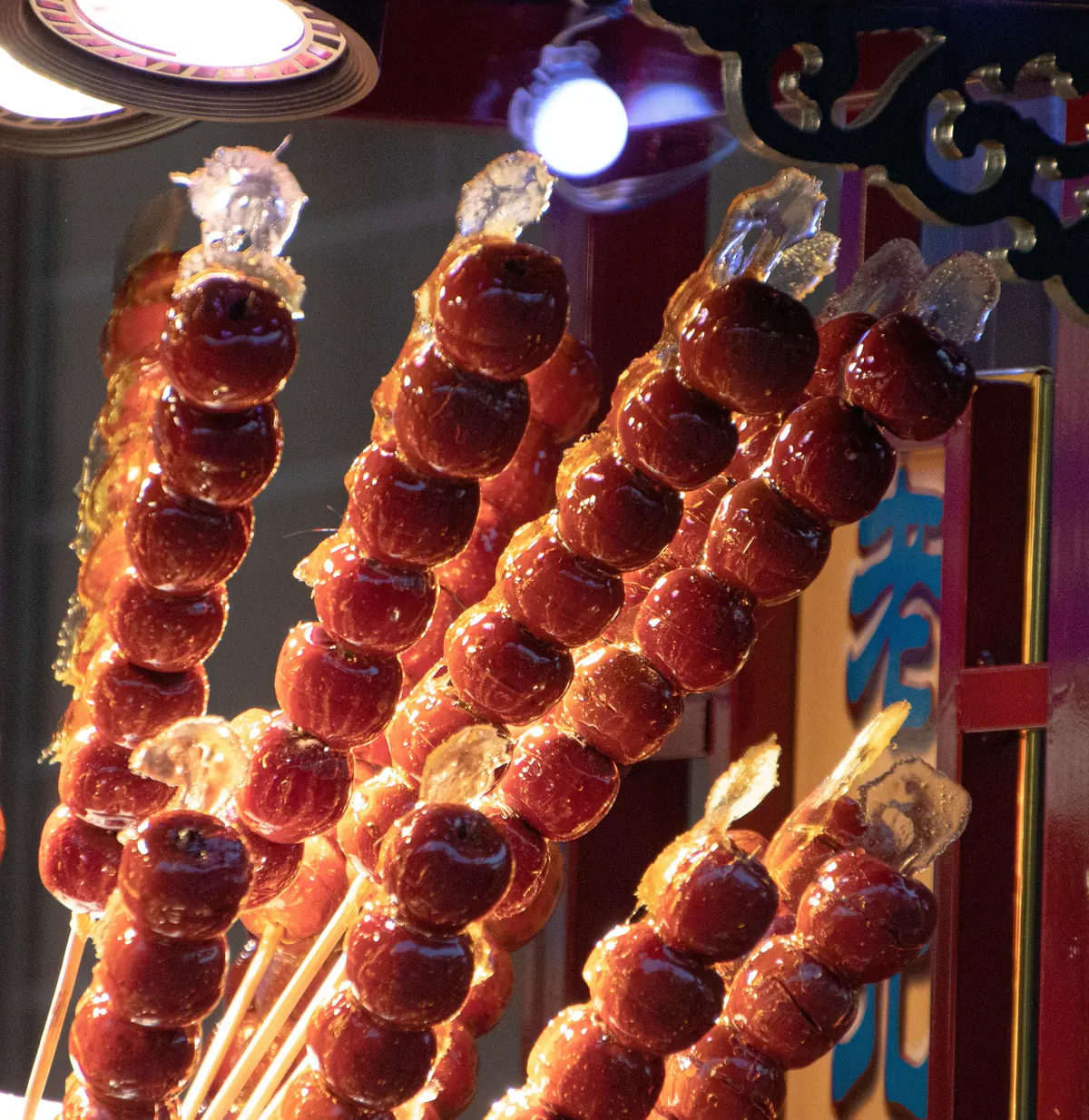
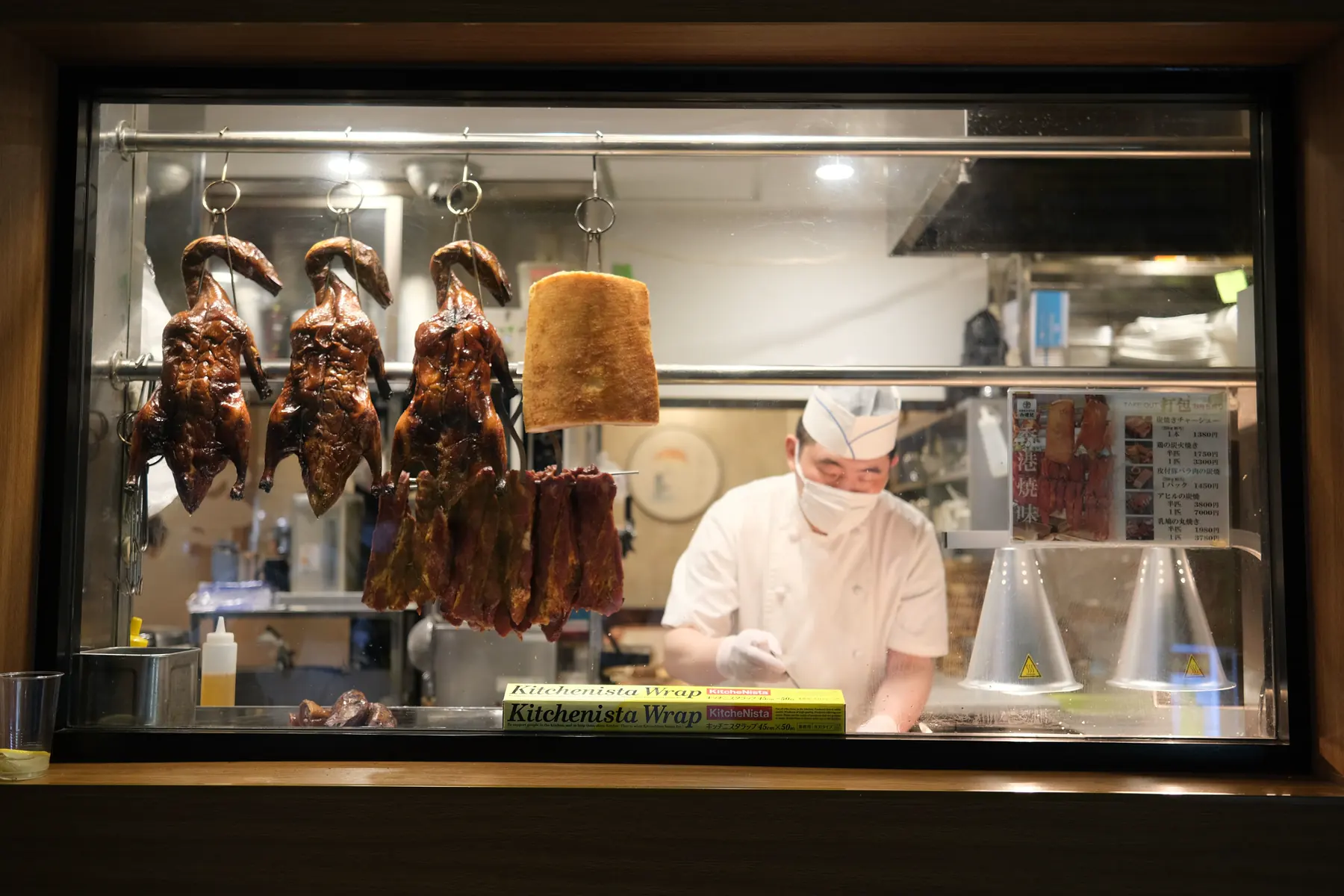
Cold air sharpens appetite. Heat arrives at the table as scent, sound and a brief fog across the glass.
04 / THE NEW CITY
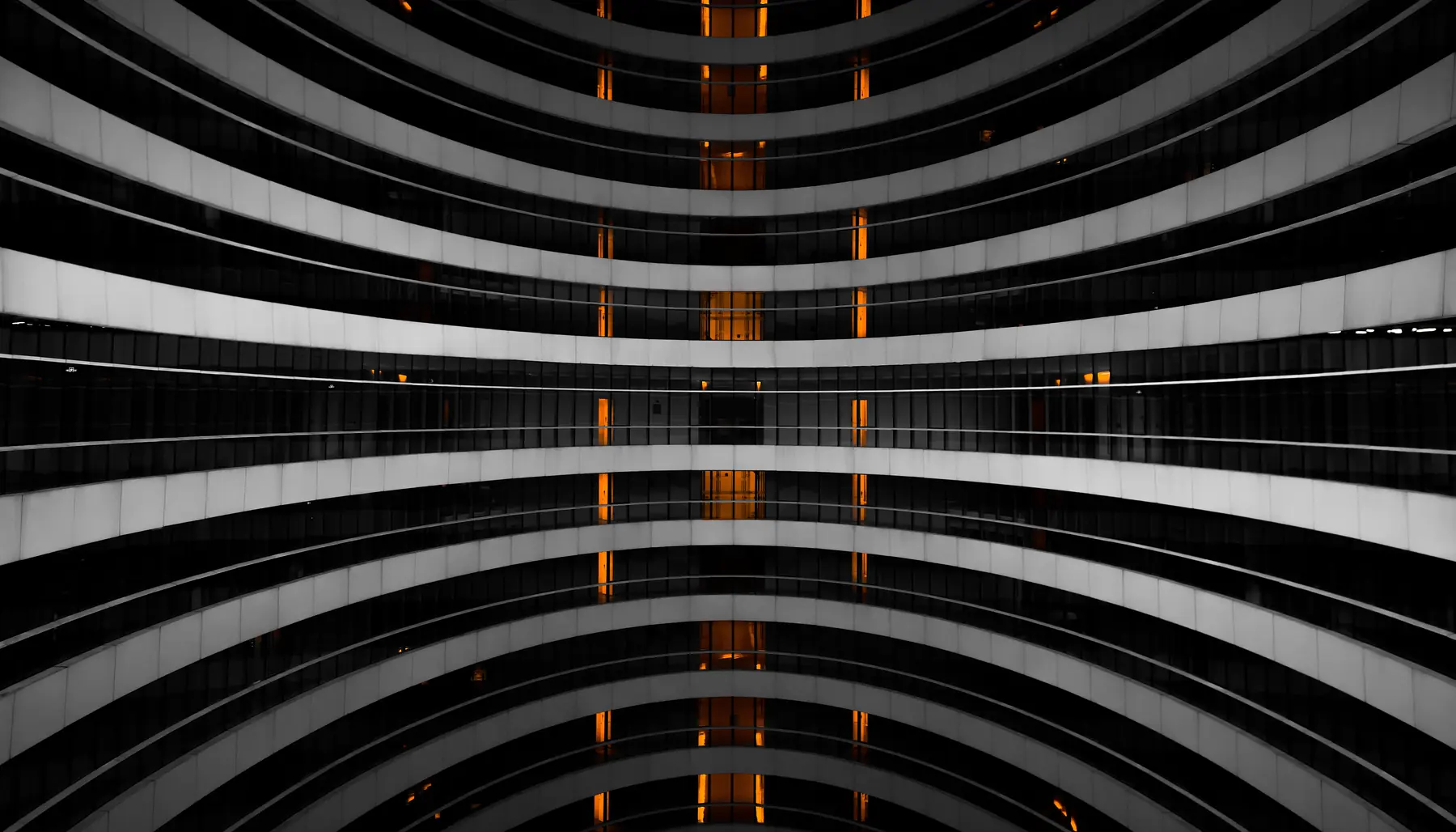
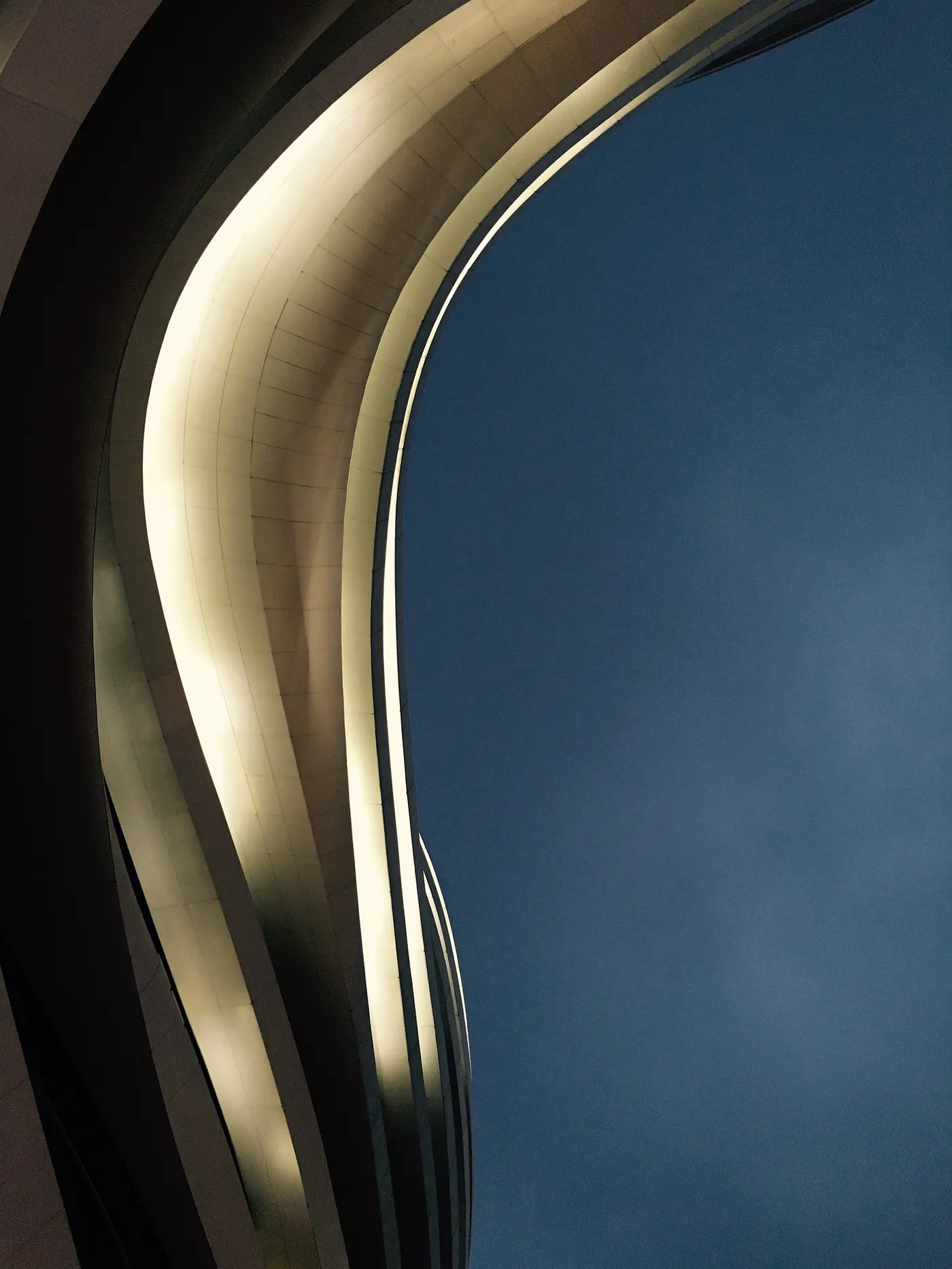
Contemporary Beijing turns circulation into spectacle. The building is read in motion: around an opening, beneath a bridge, toward another curve.
WEATHER / EXPOSURE
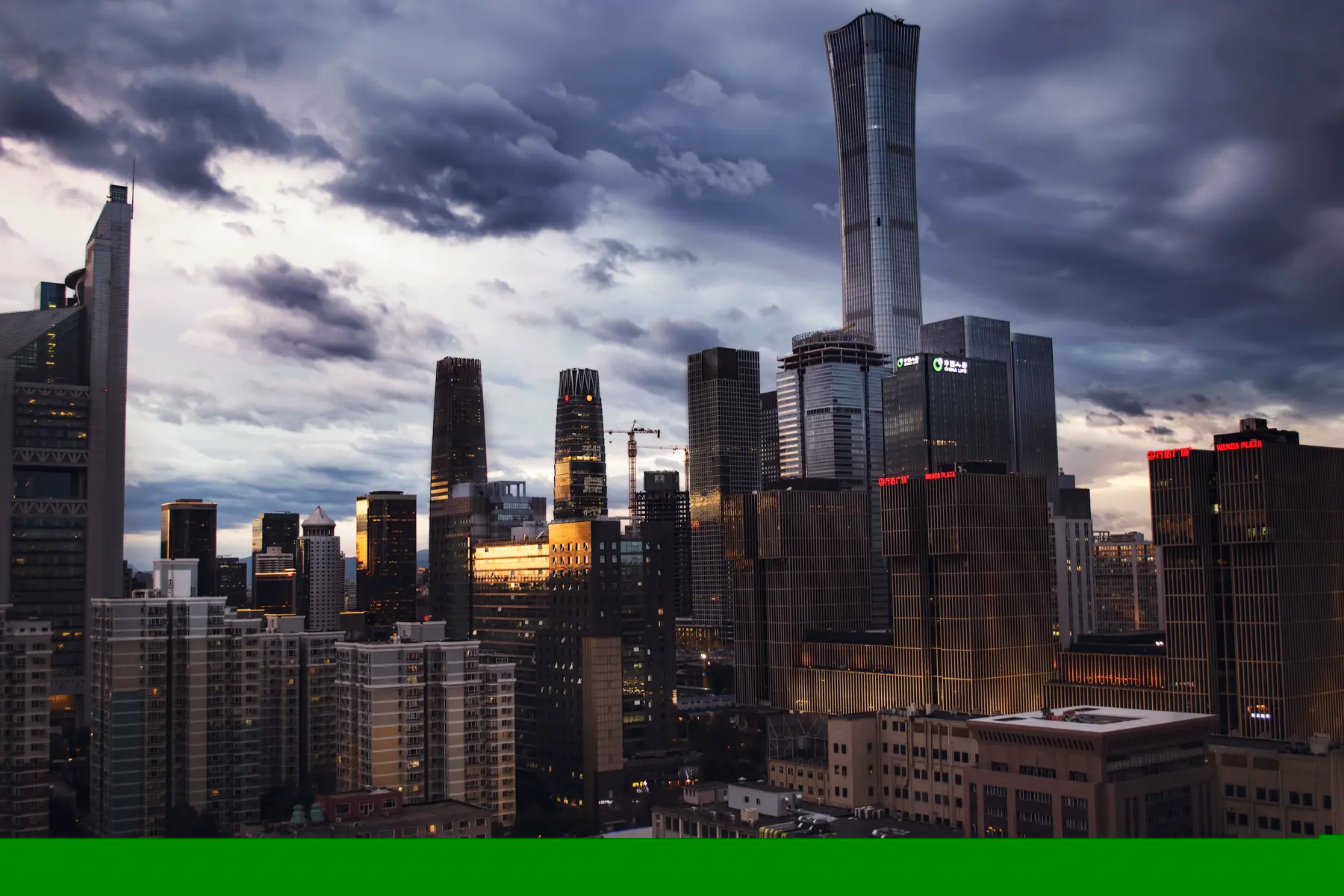
Rain compresses Beijing. Reflections pull signs, buses and tree trunks down to the curb, turning a familiar street into a second city.
Snow works in reverse. It removes detail, softens distance and leaves every muted red more visible than before.
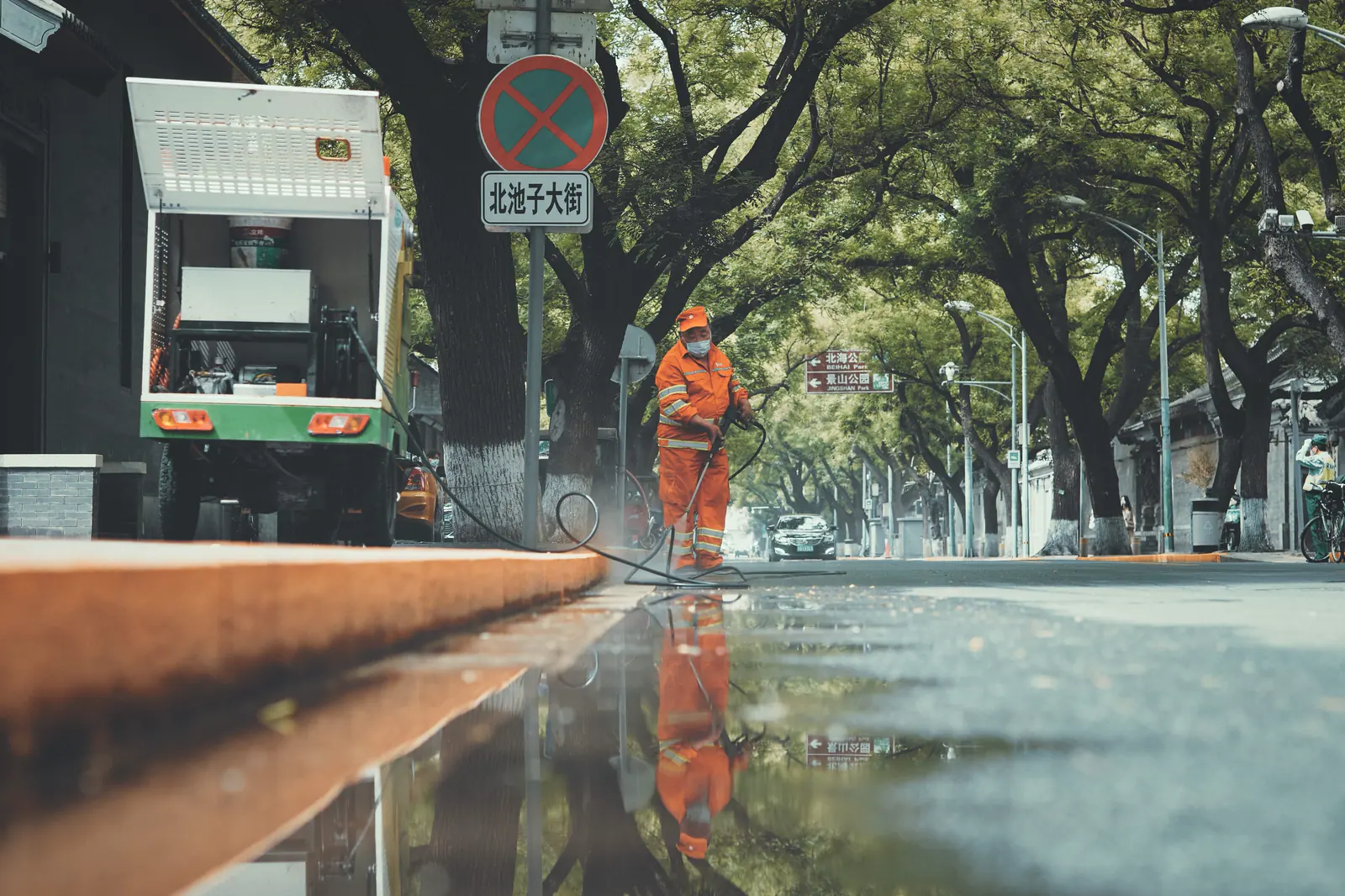
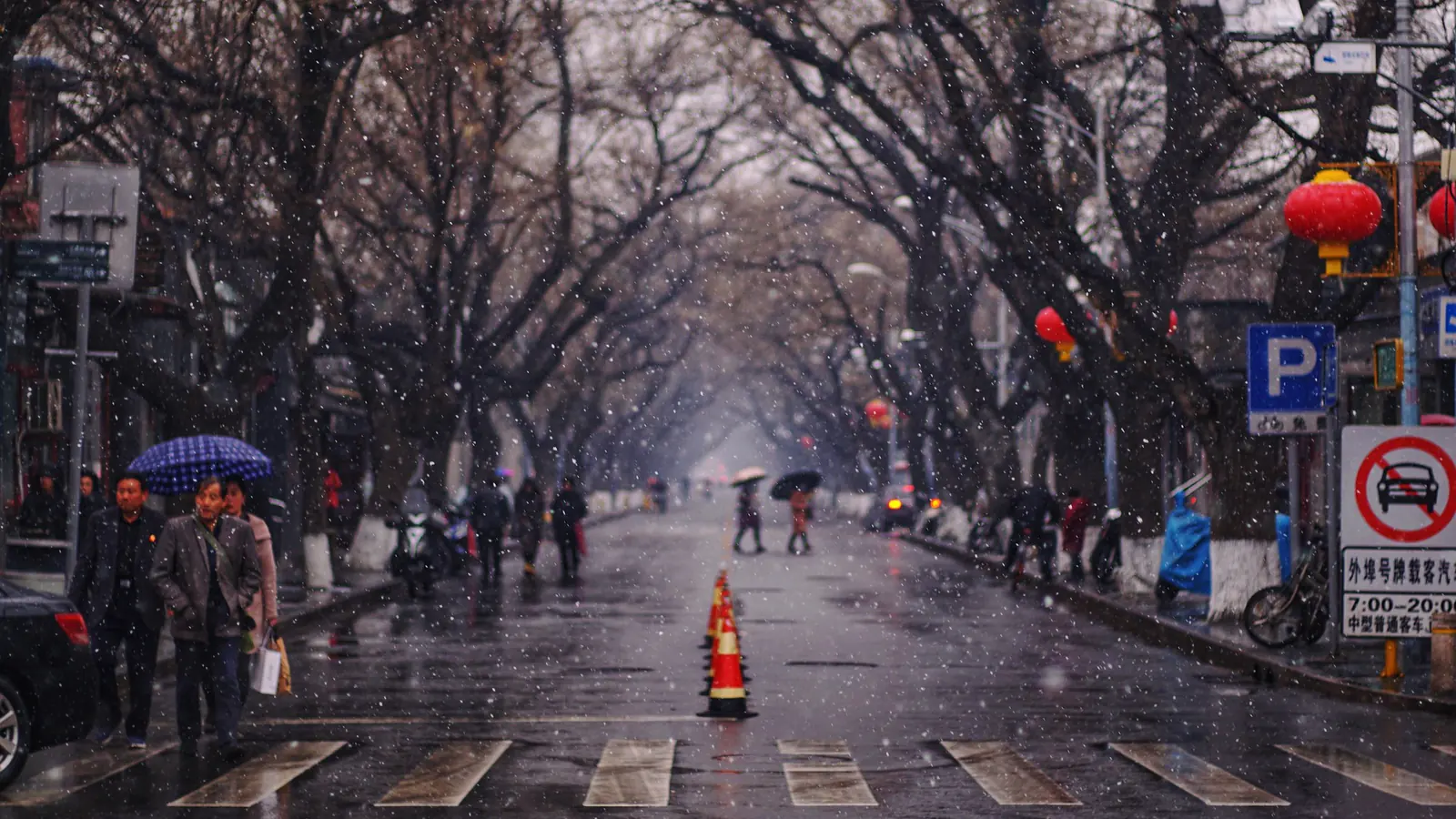
Weather does not hide the city. It chooses what the eye notices next.
05 / CITY VISUAL ARCHIVE
Four visual editions along the axis.
BEIJING / 2026
CITY IN WORDS / 02
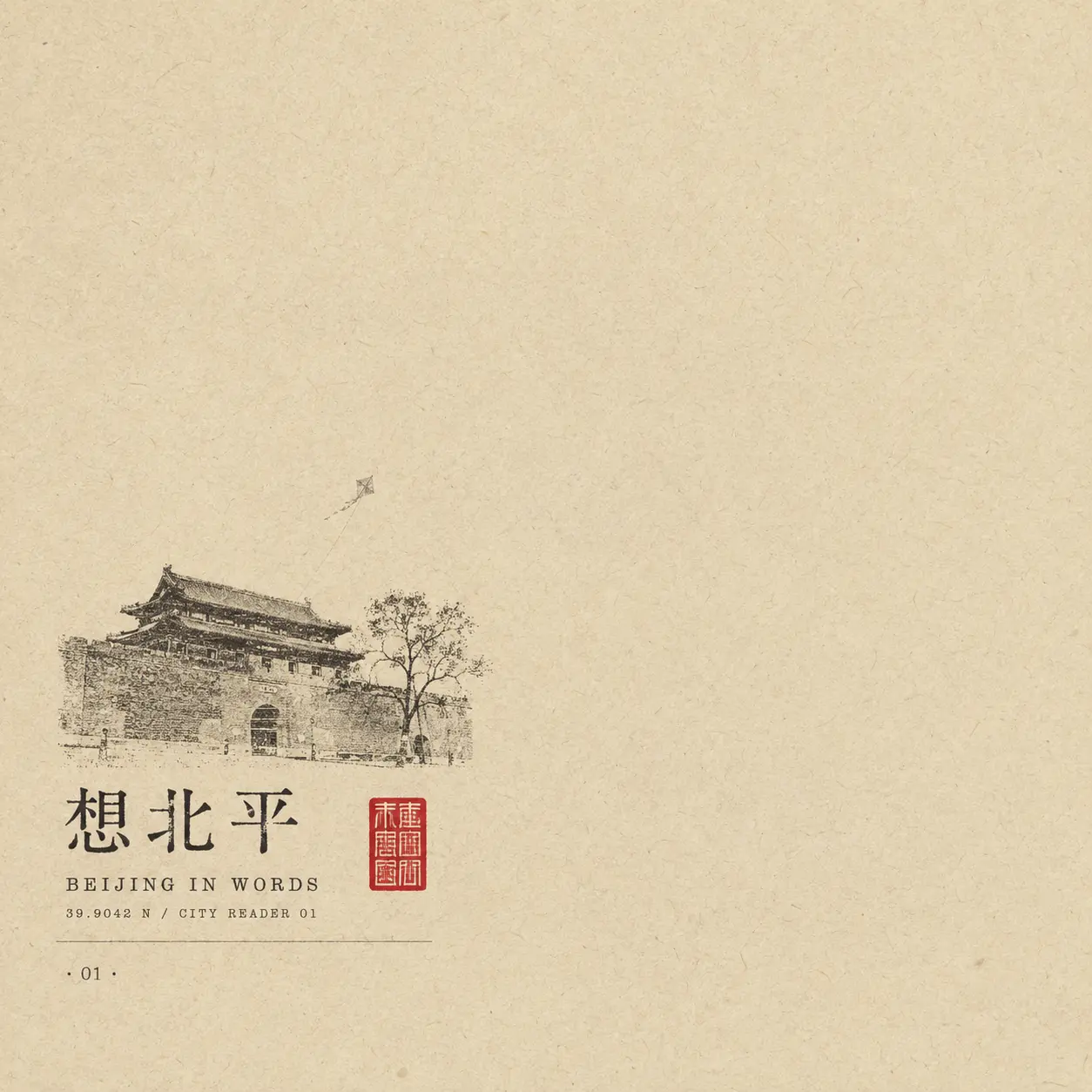
BEIJING · 北平
三位现代作家写的不是名胜清单,而是一座能呼吸、会换季、与人的心灵黏合的北平。这里让旧纸、城墙与宫红为文字留出“空儿”。
老舍《想北平》
1936
可是,我真爱北平。
这个爱几乎是要说而说不出的。
And yet I truly love Peiping—an affection almost beyond the reach of words.
老舍《想北平》
1936
北平的好处不在处处设备得完全,
而在它处处有空儿,
可以使人自由地喘气。
Peiping’s virtue is not that every place is perfectly equipped, but that everywhere there is room—room enough to breathe freely.
郁达夫《故都的秋》
1934
北国的秋,
却特别地来得清,
来得静,来得悲凉。
Autumn in the north arrives with a clarity, a stillness, and a melancholy all its own.
林语堂《说北平》
1930s
北平好像是一个魁梧的老人,
具有一种老成的品格。
Peiping resembles a broad-shouldered old man, possessed of a seasoned character.
06 / NORTHERN EDGE
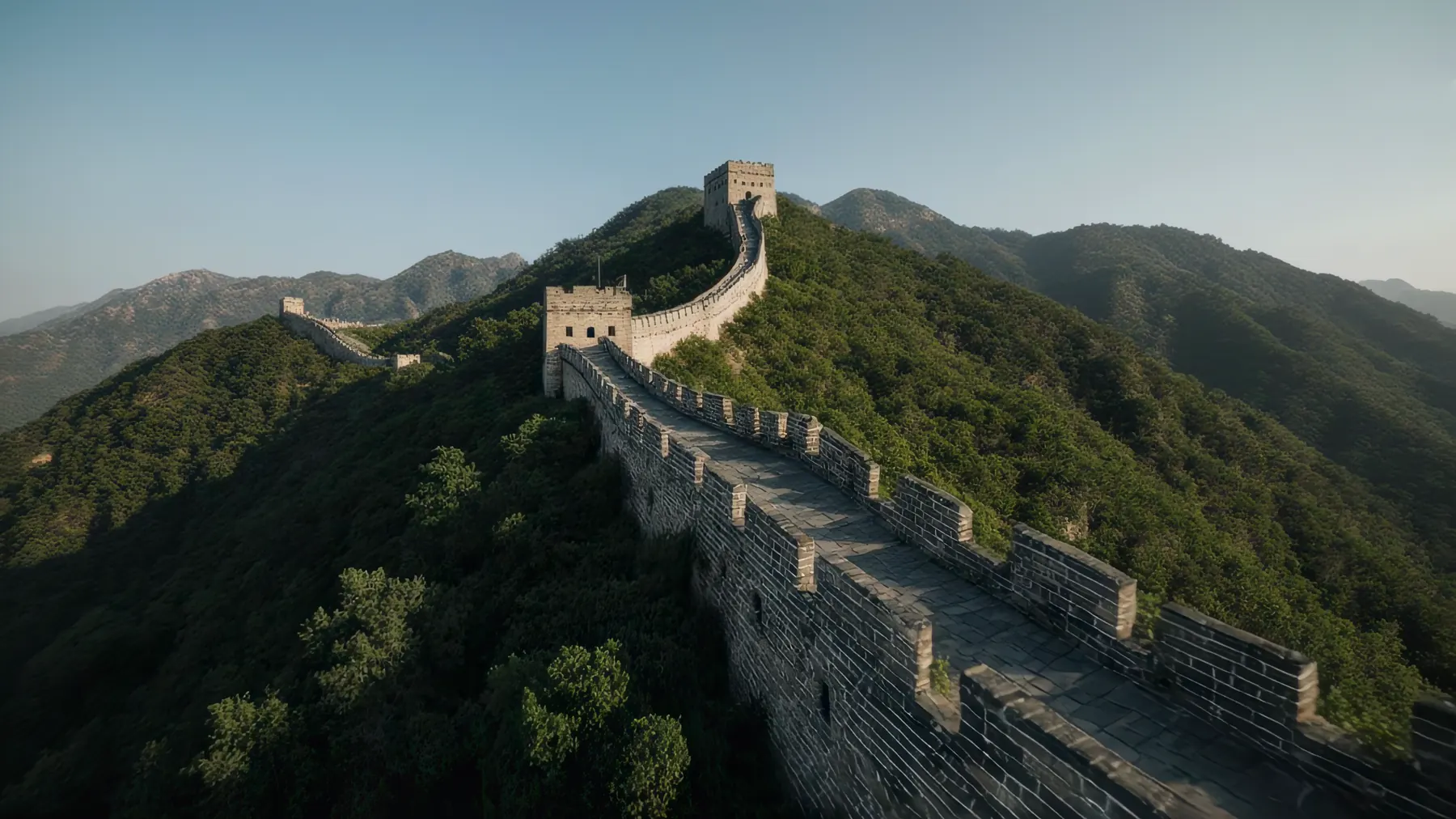
The Wall converts built intention into topography. It climbs because the ridge does, turning a boundary into a way of reading distance.